
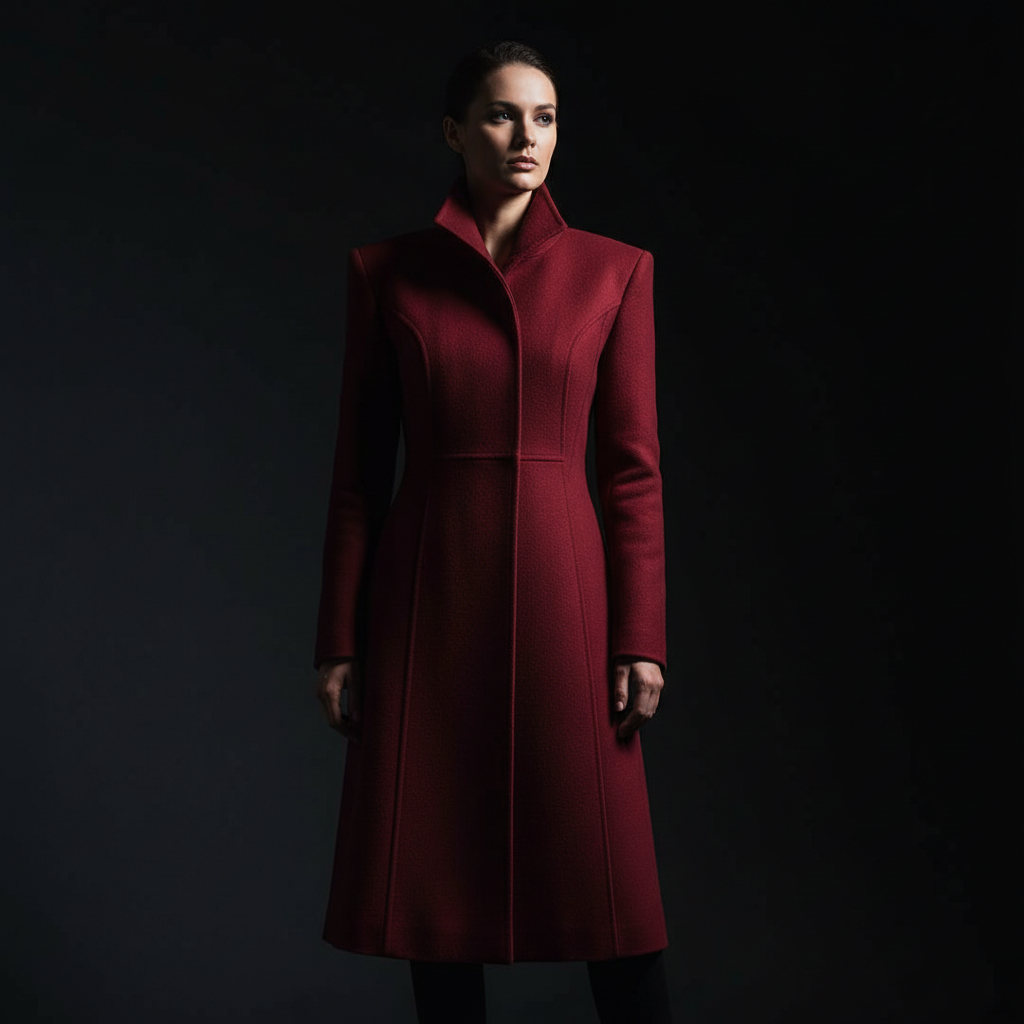
Three Centuries of
Sartorial Mastery
From the court of Louis XIV to today's global powerhouses — the story of how France became the world's fashion capital.
Versailles Sets the Standard
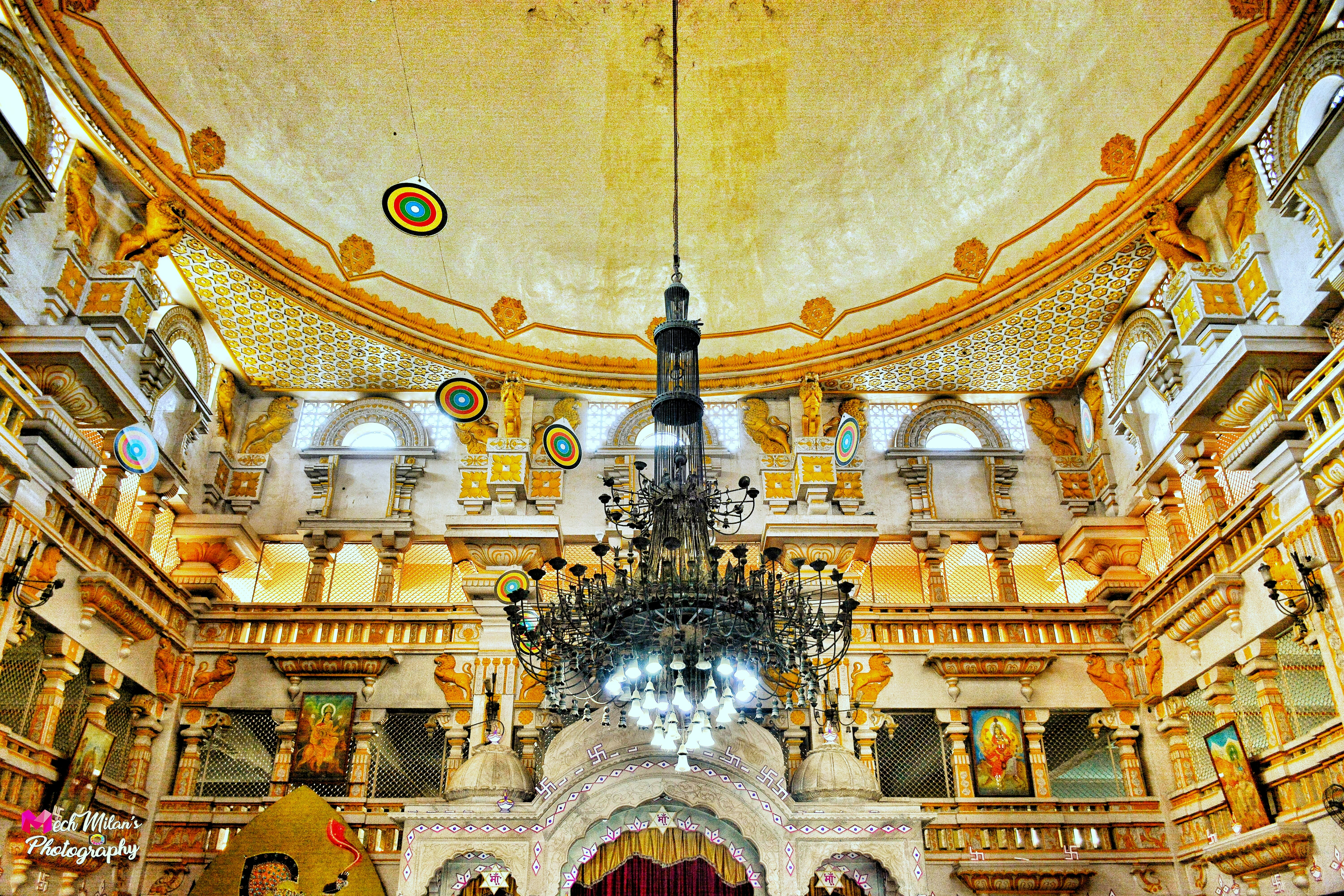
Louis XIV transformed fashion into a tool of political power. Mandating that his courtiers dress in the finest French silks and lace, he created the first luxury fashion economy. The court of Versailles became the fashion capital of the world — a position France has never fully relinquished. Rose Bertin, dressmaker to Marie Antoinette, became history's first celebrity fashion designer.
Charles Frederick Worth Invents the Couturier
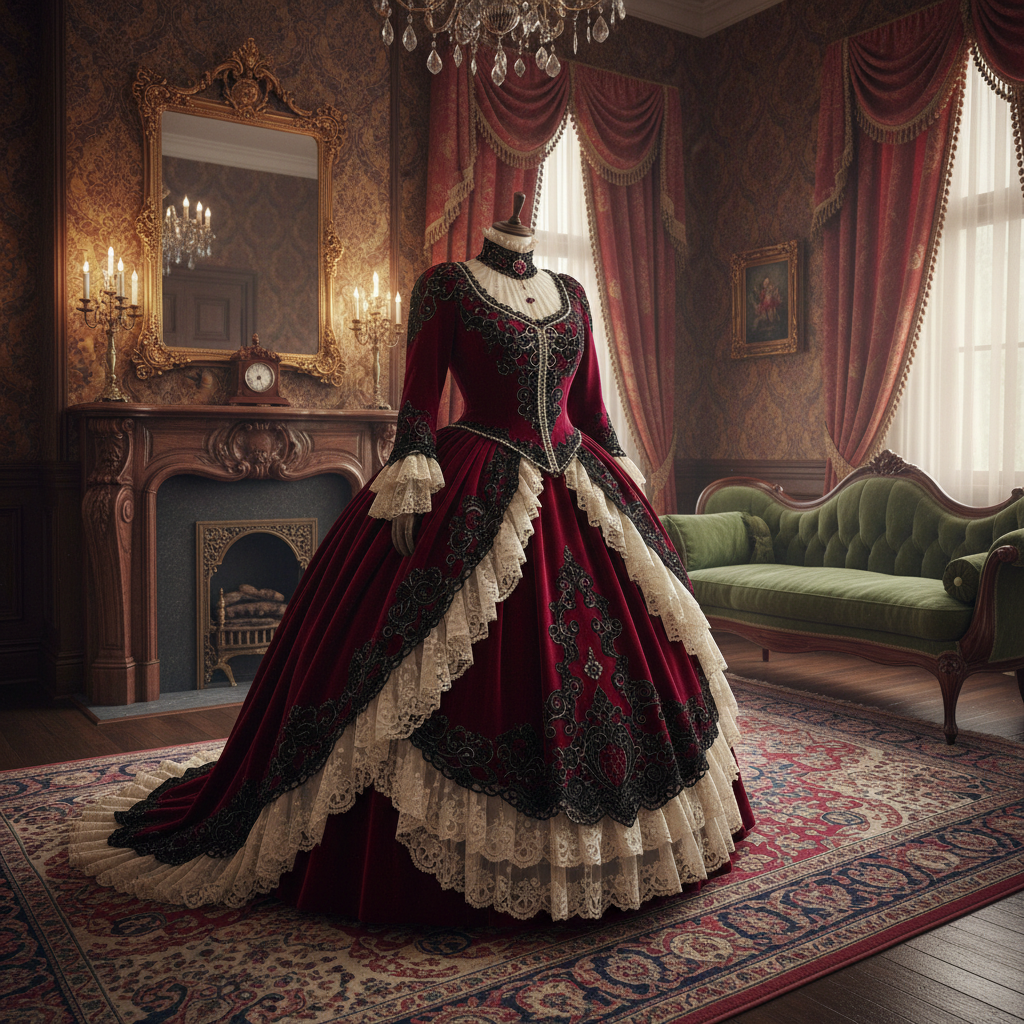
An Englishman in Paris, Charles Frederick Worth became the first couturier — a designer who imposed his creative vision rather than simply executing a client's wishes. He staged the first fashion shows, used live models instead of dolls, and signed his garments with a label. Worth's house on the Rue de la Paix established the template for haute couture that endures today.
Coco Chanel Liberates the Female Form
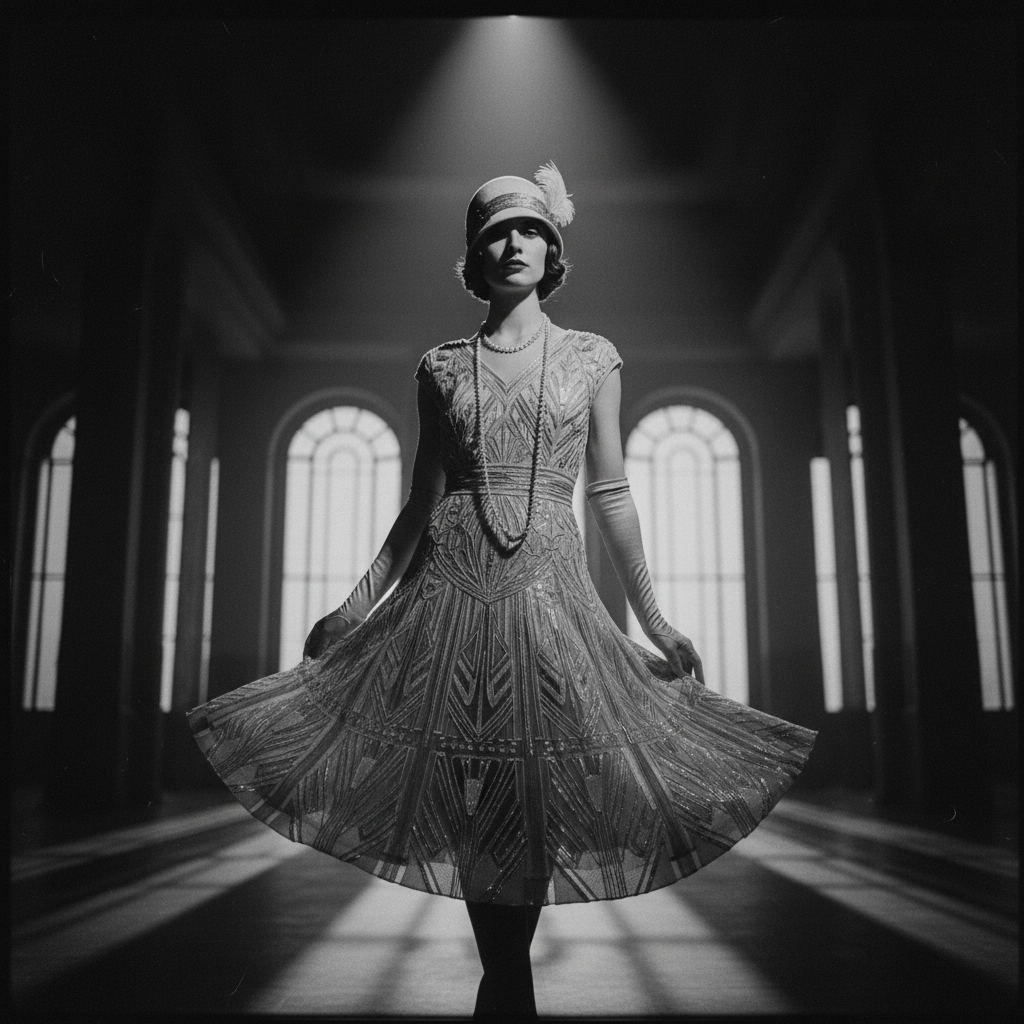
Gabrielle "Coco" Chanel did more than design clothes — she dismantled the architecture of constraint that had shaped women's dress for centuries. Borrowing from men's wardrobes, she introduced jersey, trousers, and the little black dress. Chanel No. 5 democratized perfume. Her simple, functional aesthetic was a radical act of feminist liberation dressed in understated elegance.
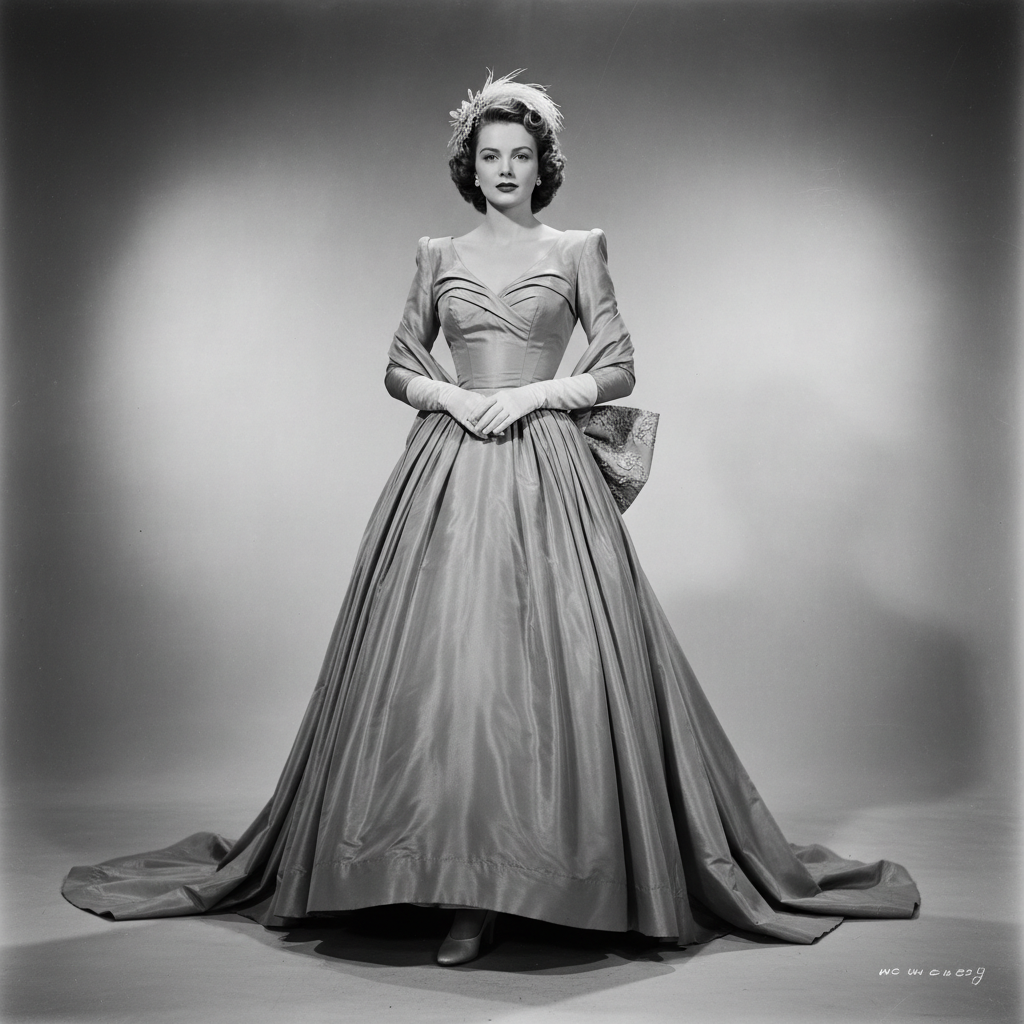
Christian Dior Rebuilds Femininity
On February 12, 1947, Christian Dior presented his first collection at 30 Avenue Montaigne. Carmel Snow of Harper's Bazaar declared: "It's quite a revolution, dear Christian. Your dresses have such a new look." Nipped waists, padded hips, and skirts sweeping the floor — Dior's New Look was a post-war manifesto of optimism, opulence, and the return of Parisian supremacy.
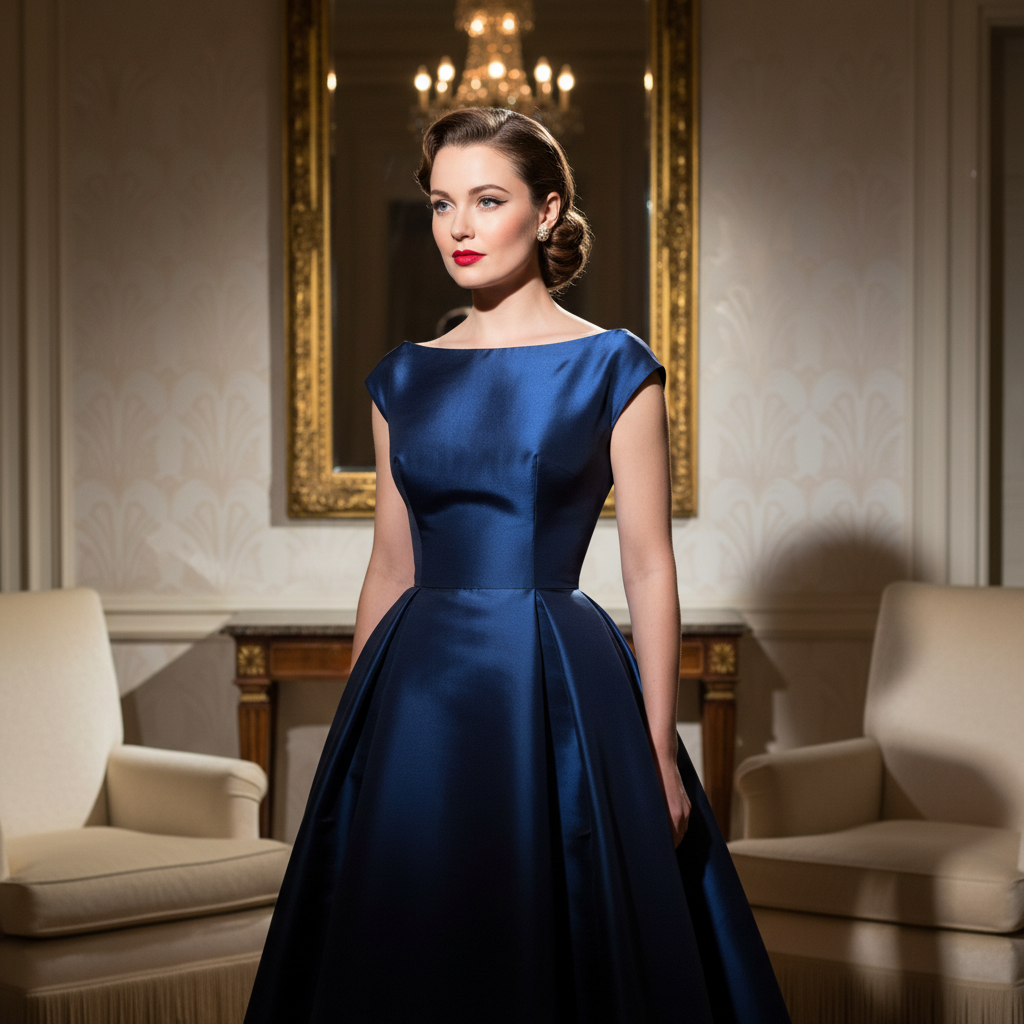
Paris Couture at Its Zenith
The 1950s were the golden age of Paris haute couture. Balenciaga, Givenchy, Balmain, and Fath competed for the patronage of the world's most elegant women. A couture gown required up to 700 hours of hand-sewing. Audrey Hepburn and Hubert de Givenchy formed fashion's greatest muse-designer relationship. Grace Kelly's Hermès bag — renamed the Kelly — became the most coveted object on earth.
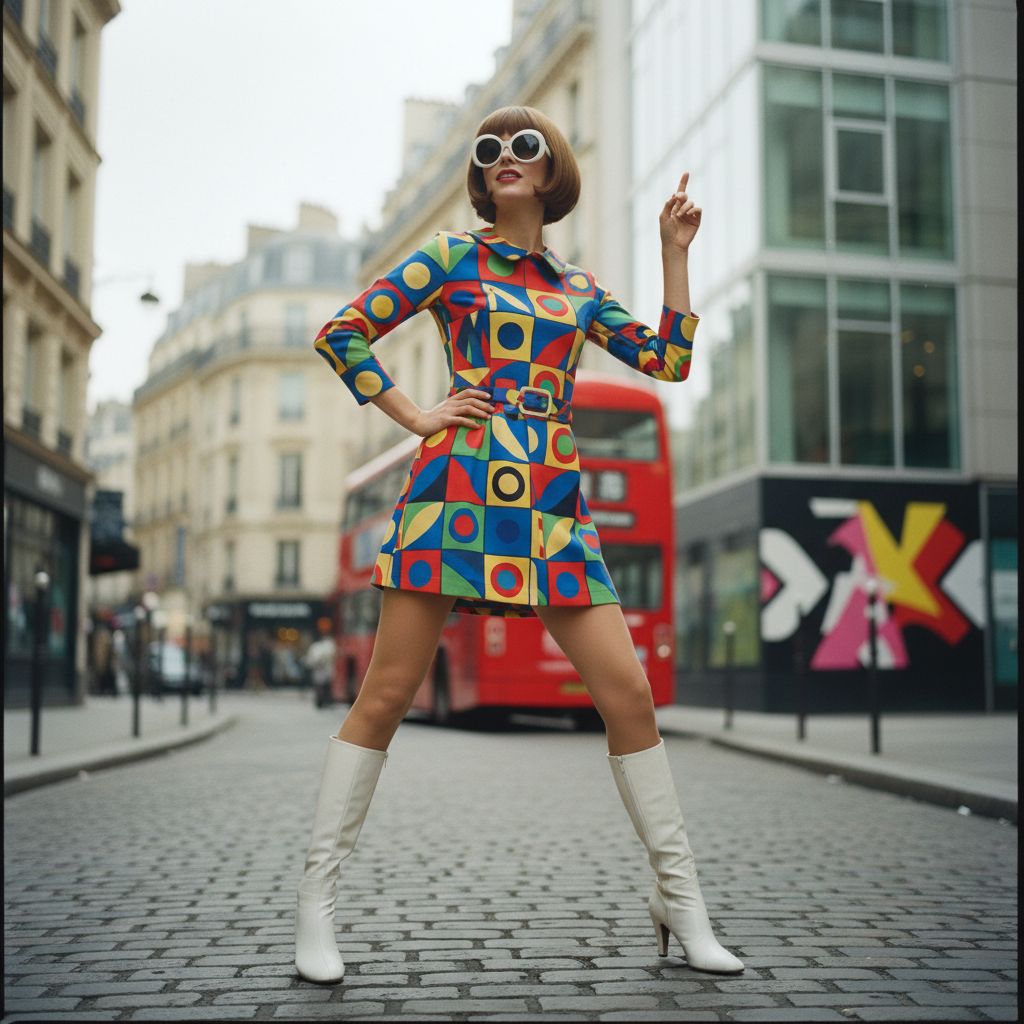
Yves Saint Laurent Democratizes Fashion
When Yves Saint Laurent opened Rive Gauche — his ready-to-wear boutique on the Left Bank — on September 26, 1966, he changed fashion forever. For the first time, a couture designer offered his aesthetic to women who couldn't afford bespoke. His tuxedo suit (Le Smoking), safari jacket, and mondrian dress entered the permanent vocabulary of modern dress.
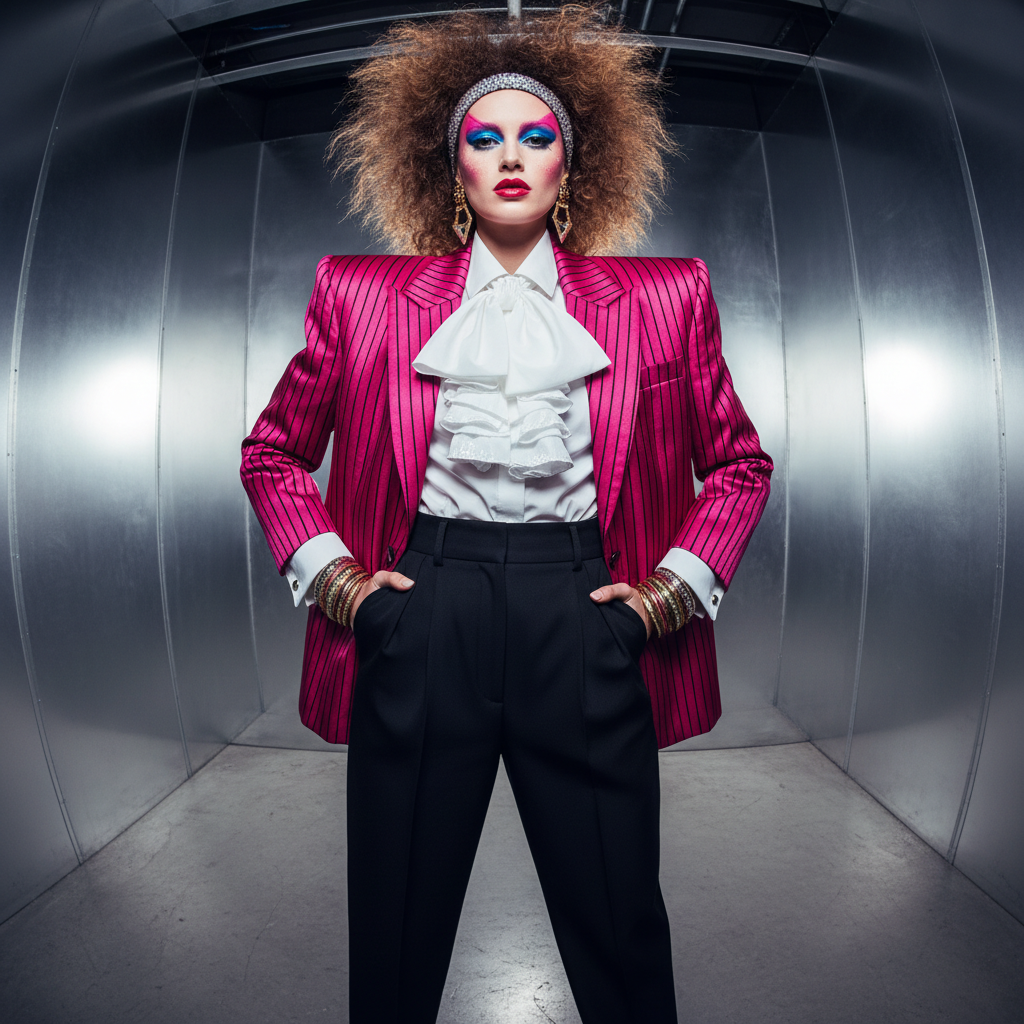
Mugler, Gaultier, and the Theater of Fashion
The 1980s saw Paris fashion become spectacle. Thierry Mugler staged stadium shows for 6,000 people. Jean Paul Gaultier subverted gender norms with men in skirts and women in corsets. Claude Montana built power-shoulder silhouettes that embodied a decade's ambitions. Fashion became entertainment, and the designer became a celebrity.
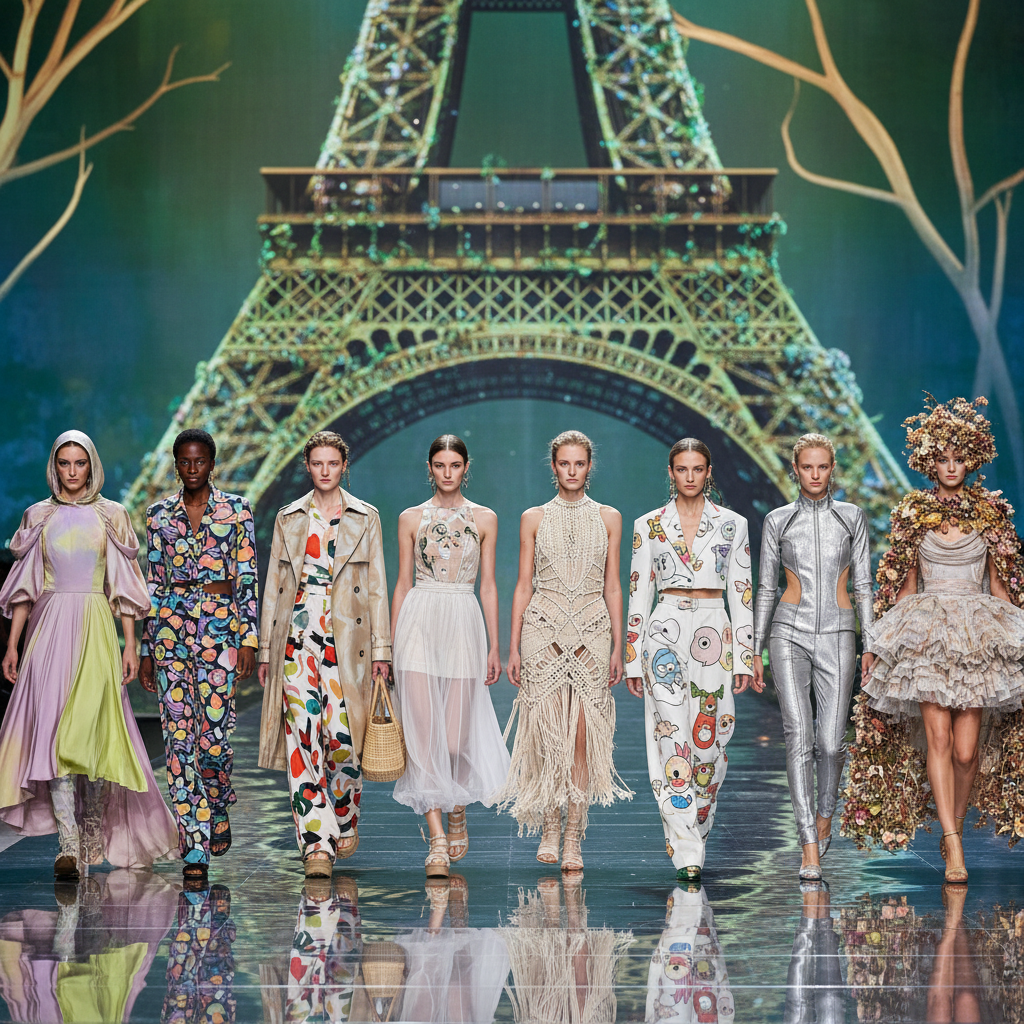
The Global Powerhouses of the 21st Century
French fashion today is a €150 billion industry. LVMH and Kering control empires spanning dozens of houses. Virginie Viard at Chanel, Maria Grazia Chiuri at Dior, and Simon Porte Jacquemus represent three distinct visions of what French fashion can be. Sustainability, digital fashion weeks, and the democratization of luxury through social media are reshaping the industry — but Paris remains the world's fashion capital.