
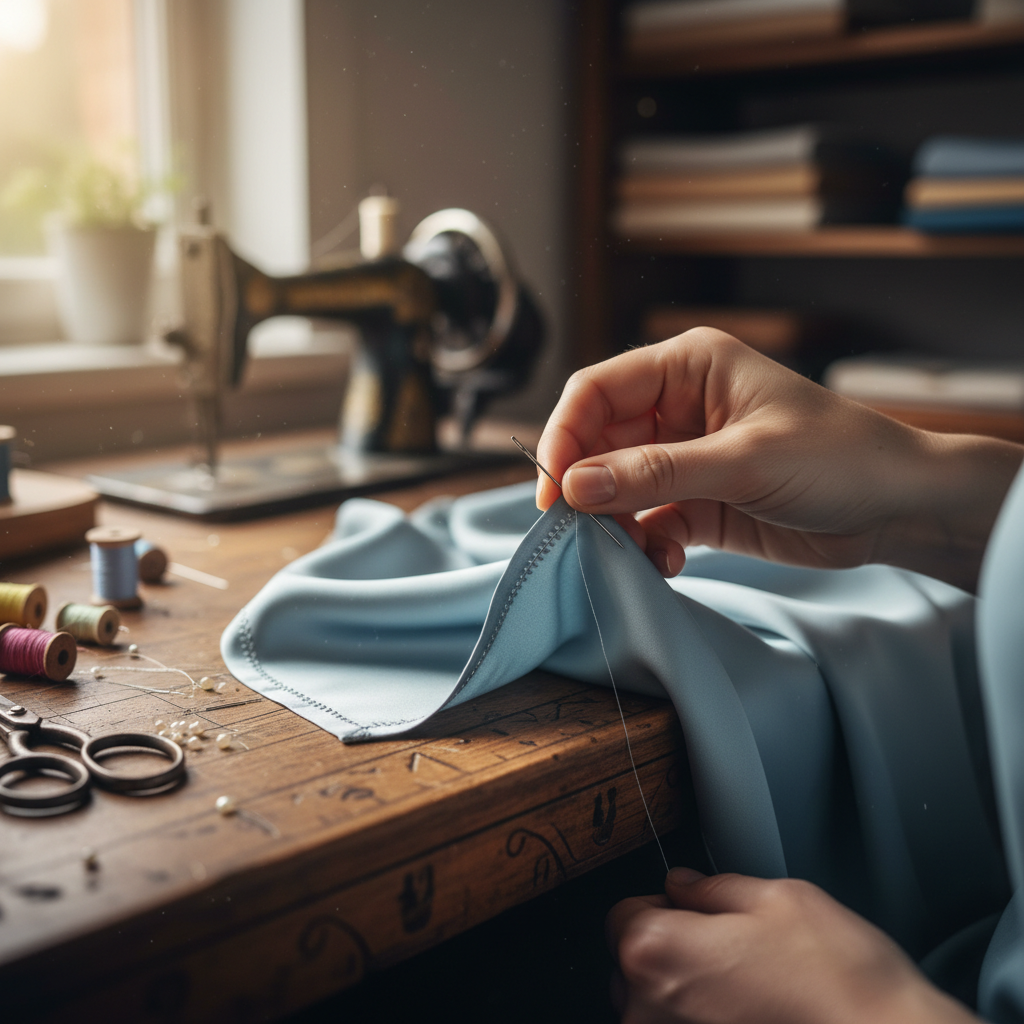
Haute Couture vs
Prêt-à-Porter
What separates a €150,000 couture gown from a €2,000 ready-to-wear dress — and why it matters.
Understanding the
Difference
Aspect
Haute Couture
Prêt-à-Porter
Production
Entirely hand-made in the house's Paris atelier by skilled petites mains
Produced in factories, often in multiple countries, using industrial machinery
Time
700–3,000 hours of hand-sewing per garment
2–8 hours of machine production per garment
Fittings
Minimum 3 fittings on the client's body; toile (muslin prototype) made first
Made to standard size charts; no personal fittings
Client
Approximately 2,000 private clients worldwide; by appointment only
Available to any consumer; sold in boutiques and online globally
Price
€15,000 (simple day dress) to €300,000+ (elaborate ball gown)
€500–€5,000 depending on the house and garment
Regulation
Must be member of Chambre Syndicale de la Haute Couture; strict criteria
No regulatory body; any brand can use the term
Embellishment
Hand-embroidered by specialist ateliers (Lesage, Lemarié); unique per piece
Machine embroidery or print; repeated across production run
Longevity
Built to last a lifetime and beyond; museum-quality construction
Designed for 1–3 seasons of wear; trend-driven
Official Couture Qualification
To be officially classified as haute couture, a house must be registered with the Chambre Syndicale de la Haute Couture and meet all of the following criteria:
- —Design made-to-order for private clients, with one or more fittings
- —Have a workshop (atelier) in Paris with at least 15 full-time staff
- —Employ a minimum of 20 technical workers in the atelier
- —Present a collection of at least 50 original designs twice a year
- —Show both day and evening garments
Current Couture Members
Only 15 houses currently hold full membership of the Chambre Syndicale de la Haute Couture, with a further 7 correspondent members and 20 associate members.
How a Couture
Gown Is Born
From first consultation to final delivery — the six stages of creating a piece of haute couture. Each garment is a unique work of art.
3–6 weeks
Consultation phase
La Commande
The Commission
A private client — one of approximately 2,000 worldwide — visits the house's salon for a consultation. The client's measurements are taken to within a millimetre across 30+ points of the body. Fabric swatches are presented, and the design is sketched and refined over multiple appointments.
80–120 hrs
Toile construction
La Toile
The Muslin
Before a single piece of precious fabric is cut, the garment is constructed entirely in inexpensive muslin (toile). This prototype is fitted on the client's personal dress form — a mannequin shaped precisely to her body. Every seam, dart, and proportion is refined until the silhouette is perfect.
20–40 hrs
Cutting precision
La Coupe
The Cutting
The toile's patterns are transferred to the final fabric. A premier coupeur (master cutter) cuts each piece by hand with scissors — never a rotary cutter — to preserve the integrity of the weave. For bias-cut garments, this requires exceptional skill as the fabric is cut at a 45-degree angle to the grain.
200–800 hrs
Embroidery time
La Broderie
The Embroidery
If embellishment is required, the garment is sent to specialist ateliers. Lesage (now owned by Chanel) has embroidered for every major couture house since 1924. A single embroidered bodice can contain 20,000 hand-placed sequins or seed pearls, requiring 500 hours of work by a team of 10 brodeurs.
3 minimum
Fittings required
Les Essayages
The Fittings
A minimum of three fittings on the client's body are required. At each fitting, the première (head seamstress) marks adjustments with thread and chalk. The garment is taken apart and rebuilt between each fitting. Every seam is pressed with a tailor's iron after each adjustment.
4–6 months
Total timeline
La Livraison
The Delivery
The completed garment is delivered in the house's signature packaging — tissue paper, ribbon, and a hatbox or garment bag bearing the house name. A full set of care instructions and the name of the première who oversaw its creation are included. The garment is registered in the house's archives.
Paris Couture Week
2026 Calendar
Haute couture collections are shown twice yearly in Paris — January and July. Below is an indicative schedule; exact dates and venues are confirmed 6 weeks before each season.
Janvier 2026
January Couture Week
January 20–25, 2026 · Paris
Schiaparelli
Hôtel de Lauzun, Île Saint-Louis
Valentino
Palais des Beaux-Arts
Chanel
Grand Palais Éphémère
Dior
Musée Rodin
Givenchy
Théâtre du Châtelet
Jean Paul Gaultier
Cinéma Le Rex
Alexis Mabille
Palais de Tokyo
Elie Saab
Hôtel de Crillon
Juillet 2026
July Couture Week
July 7–12, 2026 · Paris
Schiaparelli
Hôtel de Lauzun, Île Saint-Louis
Dior
Jardin des Tuileries
Chanel
Grand Palais
Valentino
Place Vendôme
Givenchy
Opéra Garnier
Zuhair Murad
Hôtel Potocki
Jean Paul Gaultier
Théâtre du Châtelet
Julien Fournié
Palais Royal
Note on Invitations: Couture shows are strictly by invitation only. Invitations are extended to press, buyers, and private clients by the house's PR office. Members of the public may view digital livestreams on house websites and the Fédération de la Haute Couture website.